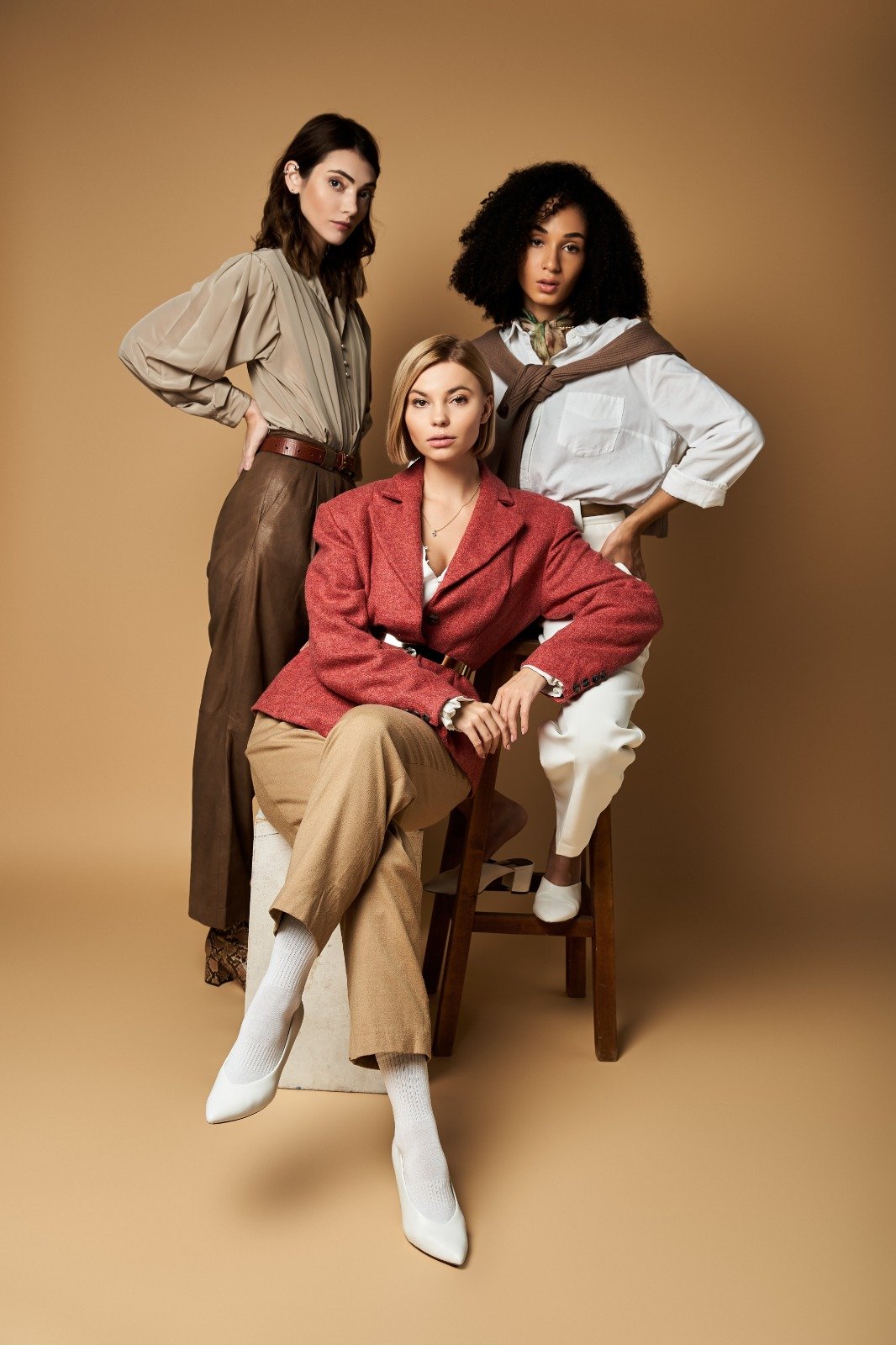

In my experience behind the scenes at fashion weeks and styling shoots, curls thrive when they are given freedom. For too long, traditional hair cutting methods treated curls like straight hair that just needed to be tamed. The modern shag changes that dynamic entirely. It embraces the natural bounce of your ringlets, using specialized layering to eliminate bulk and amplify shape.
If you are anything like me, you might feel a bit anxious about cutting short layers or adding bangs to your texture. It feels risky. However, based on my research and conversations with top editorial session stylists, this cut is actually one of the most forgiving shapes you can choose. Let us dive into exactly how to make this trend work for your unique pattern.
Key Takeaways
- Customization is Essential: The 2026 variation relies on internal texture tailored specifically to your curl tightness rather than a one-size-fits-all formula.
- The Crown Rules: This cut thrives on volume at the top of the head, which prevents the dreaded “triangle head” effect often seen with standard blunt cuts.
- Dry Cutting Wins: For the best results, seek out a stylist who cuts curls dry to ensure precise weight placement.
- Product Layering Matters: Achieving the look requires a delicate balance of hydration and lightweight hold to keep layers separated but defined.
What is the Curly Shag Haircut 2026?
The curly shag haircut 2026 revival is not an exact replica of the rockstar styles from the 1970s. While it borrows the vintage spirit of icons like Mick Jagger or Stevie Nicks, the contemporary version features a much softer, more intentional finish. This year, the focus has shifted toward creating seamless connections between short interior layers and longer exterior lengths.
A recurring theme I noticed among top salon educators is that the modern shag balances edge with softness. The choppy, aggressive razor cuts of past decades have been replaced by point-cutting and slide-cutting with shears. This protects the delicate cuticle of wavy and curly hair, preventing unwanted frizz while still delivering that coveted undone aesthetic.
Many people overlook this distinction and assume any shag will do. However, the vintage shag relied heavily on texturizing shears that can easily shred curl clumps. The 2026 approach is about carved architecture. It honors the way individual curls stack on top of one another, resulting in an organic shape that looks just as good air-dried on a beach day as it does diffused for a night out.
Anatomy of the Modern Curly Shag
To truly understand this style, you need to break down its components. Unlike a traditional layered haircut where sections are cleanly blended from top to bottom, a shag deliberately plays with disconnected lengths.
The Face-Framing Fringe
Bangs are a non-negotiable element of the true shag signature. In 2026, these are not blunt blocks of hair across your forehead. Instead, we are seeing curved, curtain-style curly bangs that melt naturally into the side layers. They frame the cheekbones and open up the eye area beautifully.
High-Volume Crown Layers
This is where the magic happens. By shortening the hair at the top and crown of the head, the weight is lifted. This allows your roots to spring upward, creating vertical height. If your hair tends to go flat at the roots while flaring out at the bottom, this structural change solves that specific issue.
The Disconnected Lengths
While the top stays full and bouncy, the perimeter remains relatively lean and piecey. This creates a beautiful contrast. You get the drama of short hair around your face and crown, combined with the security of length skimming your shoulders or collarbones.
The Best Shag Styles for Different Curl Types
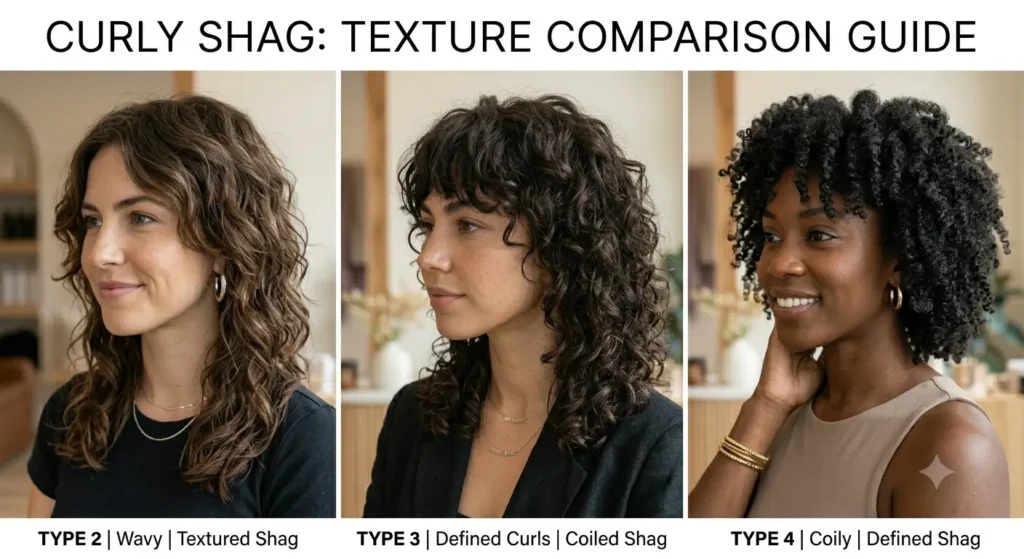
Curls are not uniform, and your haircut shouldn’t be either. One thing that stood out to me during my reviews of current salon lookbooks is how beautifully this cut scales across different textures.
| Curl Type | Shag Style Focus | Recommended Length | Key Benefit |
| Type 2 (Waves) | Enhanced piecey texture, subtle crown lift | Collarbone length | Maximizes body; prevents waves from being weighed down |
| Type 3 (Curls) | Seamless vertical stacking, curtain fringe | Shoulder length | Eliminates the ‘triangle shape’; defines ringlet clumps |
| Type 4 (Coils) | Sculpted spherical silhouette, micro bangs | Cropped / Above shoulder | Celebrates maximum volume; creates a bold, graphic frame |
Type 2: The Wavy Shag
If you have fine or medium waves, your main challenge is often a lack of volume at the roots. For this texture, the layers should be slightly more connected. This prevents the ends from looking too sparse or stringy. A sea salt spray or lightweight foam works wonders here to pop those shaggy layers into place.
Type 3: The Classic Ringlet Shag
For those with defined bottlenecks or corkscrew curls, this cut is an absolute dream. The interior layers act like little shelves, allowing each ringlet to sit comfortably without squishing its neighbor. Honestly, this surprised me when I first tried it on my own wavy-curly hair—the sheer amount of definition you gain just by removing heavy weight is incredible.
Type 4: The Coily Wolf-Shag Hybrid
Coils possess incredible natural structural integrity. When applying the shag concept to coily hair, the silhouette leans slightly closer to a rounded wolf cut shape. The stylist will focus on carving out negative space around the neck while letting the top expand into a beautiful, glorious halo of texture.
How to Talk to Your Stylist
This is where many shoppers and salon clients get confused. Walking into a salon and simply asking for a “shag” can lead to drastically different outcomes depending on your stylist’s background. You need to go into the appointment armed with specific language.
- Ask for a Dry Cut: Curls stretch significantly when wet. A dry cut ensures that the stylist sees exactly where each layer will bounce up and rest in real life.
- Specify “Slide-Cutting” Over Razors: Unless your stylist is an absolute master with a razor on curls, request shear cutting. Razors can fray curly ends, leading to premature split ends.
- Discuss the “Lean vs. Full” Ratio: Tell them exactly how thin you want the bottom lengths to feel. If you prefer a thicker perimeter, ask for a “modified shag” with solid baseline weight.
- Bring Reference Photos: Show pictures of people who share your specific curl type. Bringing a photo of type 2 waves when you possess type 4 coils will not give your stylist an accurate baseline for your expectations.
Your At-Home Styling Blueprint
Getting a great cut is only half the battle; knowing how to style it quickly at home is what makes it a permanent favorite. The goal here is lived-in texture, not stiff, crunch-laden perfection.
1.Prep on Soaking Wet Hair:Within 5 mins of showering.
Do not dry your hair with a towel yet. Apply a lightweight leave-in conditioner or curl cream from mid-lengths to ends using the “praying hands” method to lock in moisture without breaking up curl clumps.
2.Define the Layers and Bangs:3-5 mins.
Rake a medium-hold gel or defining foam through your hair. Pay special attention to your bangs—use your fingers to twist them forward and away from your eyes, letting them drop into their natural pattern.
3.Micro-Plop to Remove Excess Water:2 mins.
Use a microfiber towel or an old cotton t-shirt to gently scrunch upward. This removes excess moisture and encourages the shaggy layers to contract and form distinct patterns.
4.Diffuse for Maximum Volume:15-20 mins.
Flip your head upside down and use a diffuser attachment on medium heat and low speed. Hover the diffuser around your roots first to build that signature shag crown volume before cupping the ends.
Common Mistakes to Avoid
The Golden Rule of Curly Bangs: Always cut your fringe longer than you think you want it. Curls shrink significantly as they dry, and a bang that hits at the eyebrow when wet can easily bounce up to mid-forehead once fully dry.
After reviewing multiple sources and speaking with curly hair specialists, I have identified a few recurring pitfalls that people encounter with this trend:
- Over-Styling the Fringe: Do not try to flat-iron your bangs straight while leaving the rest of your hair curly. The 2026 look relies entirely on a cohesive texture throughout the entire head. Embrace the curly fringe!
- Using Heavy Silicones: Heavy, oil-laden serums will weigh down those short crown layers. This defeats the entire purpose of the haircut, dragging the volume down into a flat, shapeless look. Stick to water-soluble, lightweight formulas.
- Neglecting Regular Trims: Because the layers are short and deliberate, this cut requires a bit more maintenance than a long, blunt style. To keep the shape looking fresh and deliberate, plan on a clean-up trim every eight to ten weeks.
FAQ Section
Will a curly shag haircut work on fine hair?
Yes, absolutely. In fact, it is one of the best cuts for fine hair because the short interior layers create the optical illusion of thickness and density at the roots. Just make sure your stylist keeps the perimeter slightly thicker so the ends do not look sparse.
How do I style my shag on non-wash days?
Refreshing is remarkably simple. Instead of washing, mist your hair lightly with a mix of water and a splash of leave-in conditioner. Use your fingers to shake out the roots and gently scrunch the ends to reactivate the product from the day before.
Do I have to use a diffuser every time?
Not at all. While diffusing maximizes the dramatic volume at the crown, this cut is explicitly designed to look incredible when air-dried. Simply apply your styling products, shake your head out to release the roots, and let nature do the rest.
What is the difference between a curly wolf cut and a shag?
The differences are subtle but distinct. A wolf cut leans heavily into a mullet silhouette, featuring a dramatic drop in length between the short top sections and the very long back sections. A shag features a more gradual, blended transition between its layers.
Can I pull off this haircut if I have a round face shape?
You definitely can. The beauty of the modern shag is that it can be tailored to any face shape. By placing the face-framing layers directly at the cheekbones or jawline, a stylist can elongate or frame your features beautifully.
Final Thoughts
Embracing the curly shag haircut 2026 trend is more than just a quick style upgrade; it is a celebration of your hair’s natural identity. It frees your texture from the literal weight of outdated styling rules and allows your ringlets or waves to behave exactly how they want to.
If you have spent years fighting your natural pattern with heavy products and straighteners, let this be your sign to let it go. Find a dry-cutting specialist who genuinely understands texture, bring along your favorite inspiration pictures, and give your curls the freedom they deserve. The results might just completely redefine your relationship with your hair.
You Might Also Like:
– Winter Skincare Guide For Women 2026
-
Sale!

Dinner Plates – Japanese Minimalism
Original price was: $28.00.$18.00Current price is: $18.00. -
Sale!
Round Table Anti Slip Mats – Modern Home
Original price was: $14.70.$9.90Current price is: $9.90. -
-
Indigo Blue Ceramic Vase
$101.00