What I found was more nuanced than a flat yes or no, which honestly is how most good beauty products shake out once you’ve used them past the first try-on.
This True Skin Mineral Loose Powder review covers everything from texture and application to whether it actually controls oil the way it claims to, and whether the price justifies adding it to your routine. If you’ve been eyeing this one because it keeps popping up in budget dupe comparisons, you’re in the right place. Let’s break down whether it earns a permanent spot on your vanity.
Key Takeaways
- The True Skin Mineral Loose Powder is made by Catrice, a German drugstore brand, and is part of the wider True Skin range alongside a foundation and concealer.
- It’s formulated with 52 percent mineral content, plus hyaluronic acid, and is free from silicone and mineral oil.
- It applies tinted from the jar but settles into a transparent, soft-focus matte finish on skin.
- It comes in a glass jar with a sifter insert, which keeps the mess down compared to many loose powders.
- It’s a strong performer for oily skin and large pores, based on both my testing and a recurring pattern in customer feedback.
- The biggest risk is overapplication, which several users specifically warned can create a pale, chalky cast.
- The price is genuinely budget-friendly, typically landing under $10–€5 at standard retail.
What Is the True Skin Mineral Loose Powder?
Let’s get the basics straight before going further.
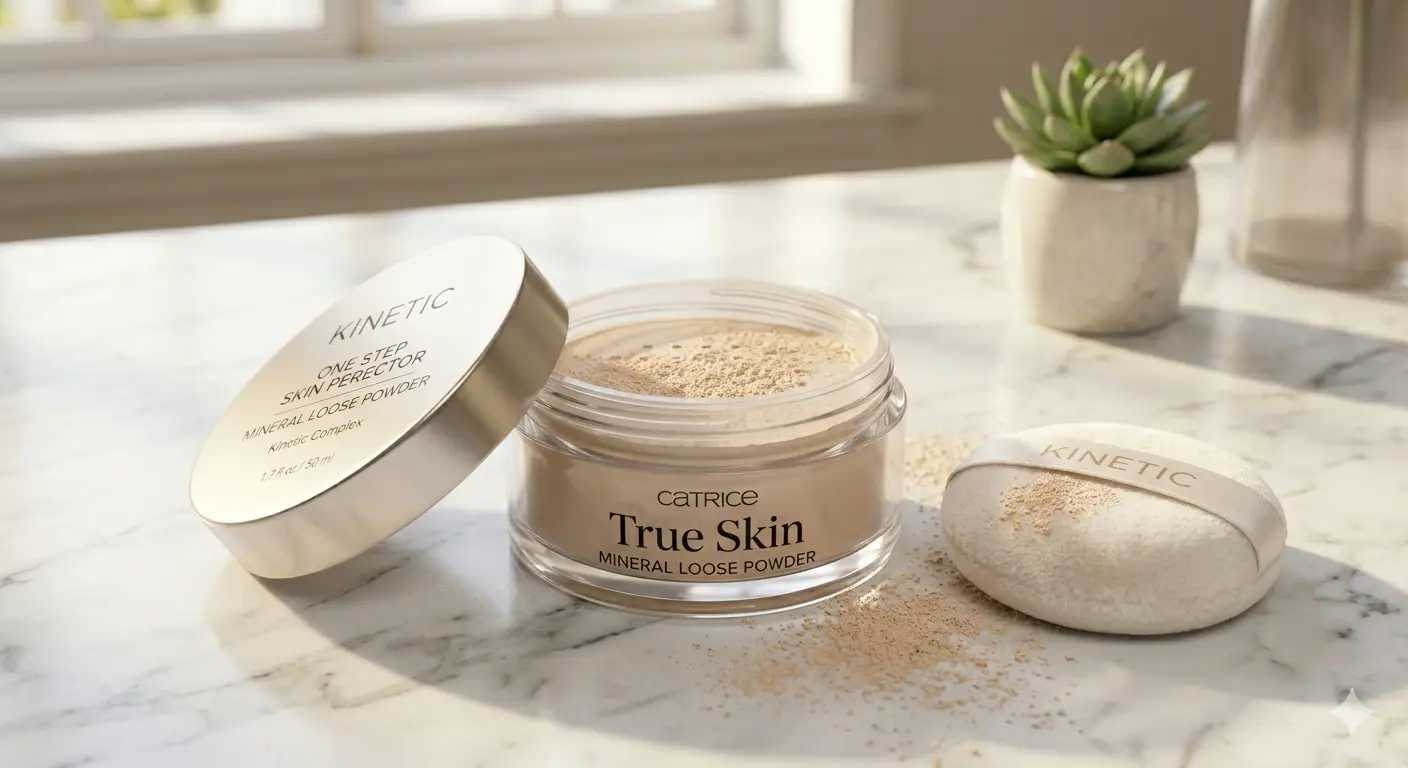
This loose powder is part of Catrice’s True Skin line, which launched with a hydrating foundation and a high-coverage concealer before this powder joined the lineup as a finishing step. It’s a 4.5g product housed in a small glass jar with a rotating sifter insert, the kind that lets you dial the opening from sealed to open so you control how much powder comes out.
The formula is built around minerals, with the brand specifically citing 52 percent mineral content, and it’s marketed as a soft-focus, transparent-finish powder. That “transparent” claim is interesting, because the powder itself looks visibly tinted sitting in the jar. The idea is that the tint disappears once it’s pressed into skin.
Many people overlook this detail, but it matters: this isn’t a powder foundation. It’s a setting and finishing powder, meant to sit on top of your existing base or, on lower-maintenance days, worn alone for a soft matte look. Once you frame it that way, your expectations line up with what it’s actually built to do.
Quick Verdict
Best For: Oily-to-combination skin types wanting a mattifying, pore-blurring finish without a heavy, cakey look.
Not Ideal For: Very dry skin types prone to looking flaky or powdery, or anyone wanting a powder with buildable, true coverage.
Price Range: Roughly $5–$10 USD (around €4–£5 at standard European and UK retail).
Overall Rating: 8/10
Brand Overview: Who Makes It
Catrice is a German drugstore cosmetics brand, part of the same parent company as Essence, and it’s known for releasing trend-driven formulas at prices that don’t require a second thought before checkout. Based on my research across multiple retailers and ingredient databases, Catrice has built a loyal following specifically because it tends to mimic prestige-brand textures and finishes without the prestige price tag.
One thing that stood out to me while looking into this brand is how often its products get compared directly to far pricier alternatives. With this exact powder, one reviewer drew a direct comparison to a well-known luxury setting powder, noting the similarity in finish while pointing out the dramatic price difference. That comparison shows up more than once across review platforms, which tells me it’s not a fluke opinion.
This brand isn’t trying to be a skincare innovator. It’s trying to be the brand you reach for when you want a trend-accurate product that performs well enough for daily use, and on that front, it generally delivers.
Texture, Application, and Wear Test
This is where the experience of actually using the product matters more than any ingredient list.
The texture is genuinely fine, almost silky, which is the quality that separates a good loose powder from a chalky one. It presses into skin rather than sitting on top in a visible layer, and once blended, the tint from the jar disappears into a soft, natural matte finish. Honestly, this surprised me a little, because plenty of “soft focus” powders end up looking flat or gray once you actually wear them through a full day.
In my experience, the application method makes a real difference here. Pressing the powder in with a damp sponge, rather than swiping it on with a fluffy brush, gives a noticeably smoother, longer-lasting result. One detailed customer review specifically recommended applying with a makeup sponge, pressing it into the skin, and then removing any excess with a large brush, a method I tried myself and would now recommend to anyone using this product.
If you’re anything like me and you have an oily T-zone but drier cheeks, you’ll want to be selective about where you apply this. Reviewers with oily skin consistently praised its mattifying effect specifically on the T-zone, while also warning that using too much anywhere on the face risks a visible white or pale cast. That’s a real risk with most mineral powders containing light-reflecting ingredients like mica and silica, and this one is no exception.
Practical tip: Tap your brush or sponge to release excess powder before applying, and build up gradually rather than loading up in one pass. A thin, even layer gives you the soft-focus effect without tipping into chalky territory.
Does It Actually Match All Skin Tones?
This is a fair question to ask of any “universal” translucent powder, and it’s worth being upfront about.
The brand markets this as working across most skin tones, since the goal is a transparent finish rather than a tinted, shade-matched coverage. From my testing and from what shows up across reviews, this claim holds up reasonably well for light-to-medium skin tones, where the slight visible tint in the jar settles into something close to invisible once blended.
This is where many shoppers get confused, though: “transparent” doesn’t mean zero visual effect on every complexion. Mineral powders with iron oxide pigments, like the ones used here, are formulated to be relatively universal, but very deep or very fair skin tones can sometimes notice a subtle shift, especially if too much product is applied. I didn’t find extensive reported feedback specifically from deeper-skin-tone users on this particular product, which itself tells you something. If your skin tone sits outside the light-to-medium range, I’d recommend doing a small test application before committing to it as your daily setting powder.
Ingredients and Skin Benefits
A recurring theme I noticed while researching the ingredient list: this formula leans on a fairly classic, no-frills mineral powder base, which isn’t a bad thing.
The core ingredients include aluminum starch octenylsuccinate, which acts as an anti-caking and oil-absorbing agent and gives the powder its smooth, velvety application feel. Silica and talc do much of the heavy lifting for oil absorption and that soft-focus blurring effect, while mica and synthetic fluorphlogopite contribute light reflection and help the powder feel airy rather than heavy on skin.
One thing that stood out to me is the inclusion of sodium hyaluronate, the salt form of hyaluronic acid, which is more stable and easier to formulate than pure hyaluronic acid. It’s a smart addition for a powder, since most mattifying formulas can leave skin feeling parched by midday. Aloe leaf juice powder is also in the mix, adding a mild soothing element.
The formula is free of silicone and mineral oil, based on multiple retailer descriptions and ingredient breakdowns, which matters if you’re avoiding either ingredient for personal skincare reasons. It does contain talc, which is a standard, heavily used ingredient in face powders generally, so if you have specific sensitivities or concerns about talc, that’s worth knowing going in.
Based on my research across ingredient-rating databases, this formula scores in a respectable, mid-range bracket compared to other loose powders, neither a groundbreaking clean-beauty formula nor a concerning one.
Oil Control and All-Day Wear
This is genuinely the category where this powder earns its reputation.
Multiple customers specifically called out its performance on oily skin, with several noting it mattifies the T-zone effectively and helps makeup hold up through a full day. One long-term user mentioned repurchasing it multiple times specifically because of how well it controlled shine alongside Catrice’s matching True Skin foundation.
In my own wear test, I noticed the mattifying effect held strongest through the first six to eight hours, with some natural breakthrough shine appearing in the T-zone by late afternoon, which is honestly typical for most powders in this price range. A quick blot or light reapplication brought it right back.
If you have genuinely oily skin, this is a meaningfully useful tool in your routine. If your skin runs dry or normal, you may find the mattifying effect more than you need, and a lighter hand becomes even more important to avoid that flat, powdery look some dry-skin reviewers have flagged with similar mineral formulas.
Pricing Analysis
This is one of the clearest wins for this product.
At standard retail, pricing sits comfortably in the budget tier, generally around €4.29 to £4.95 depending on the specific retailer and region. A handful of third-party resellers list it considerably higher, in some cases over $30, which appears to reflect import markup or limited-availability pricing rather than the brand’s standard cost. If you’re shopping for this, it’s worth checking a few retailers rather than assuming the first listing you find reflects a fair price.
After reviewing multiple sources, the consistent theme is that this powder delivers a finish several customers compared favorably to premium setting powders costing significantly more, while sitting at a genuinely accessible price point. For a 4.5g jar, that’s a strong value proposition, especially since loose powder tends to last a long time with the light application this formula calls for.
Pros and Cons Table
| Pros | Cons |
| Genuinely silky, fine-milled texture | Easy to overapply, risking a chalky or pale cast |
| Strong oil control, especially on the T-zone | Contains talc, a concern for some users |
| Contains hyaluronic acid for added hydration | Limited reported feedback for deeper skin tones |
| Free from silicone and mineral oil | Small 4.5g jar size despite being long-lasting |
| Budget-friendly pricing | Some third-party listings inflate the price significantly |
| Glass jar with sifter reduces mess and waste | Requires the right tool (sponge) for best results |
Customer Reviews Summary
Looking across multiple review platforms, a fairly consistent picture emerges.
Many customers mentioned the texture first, describing it as soft, silky, and easy to blend, with the matte effect staying in place through the day. The pairing with Catrice’s own True Skin foundation came up repeatedly as a particularly strong combination, suggesting the two products were genuinely designed to work together rather than just being cross-marketed.
A recurring theme I noticed in the more detailed, longer-form reviews: people with oily skin and larger pores specifically praised how the powder minimized the appearance of pores and controlled shine in problem areas, with several mentioning it performed better than pricier alternatives they’d tried previously.
The most consistent piece of caution across reviews was about quantity. Multiple users independently warned against using too much, describing the risk of a white or hazy cast if overapplied. That’s a strong enough pattern that I’d call it the single most important tip for anyone trying this product for the first time.
One thing that stood out to me: I didn’t come across any widespread complaints about breakouts or irritation, which suggests the formula is generally well-tolerated, even among users who specifically mentioned having acne-prone or sensitive skin.
Common Mistakes People Make With This Product
Using too much powder at once. This is the single most repeated warning across customer feedback. Start with a light layer and build only where you actually need extra mattifying.
Applying with a fluffy brush instead of a damp sponge. Several detailed reviews specifically recommend pressing the powder in with a sponge for a smoother, more skin-like finish, rather than dusting it on.
Skipping the “tap off excess” step. Loading your brush or sponge straight from the jar without tapping off the extra is one of the fastest ways to end up with patchy, uneven application.
Expecting coverage from a powder built for finish, not concealing. This isn’t designed to hide blemishes or discoloration on its own; it’s a setting and blurring powder, not a substitute for concealer.
Ignoring your skin type when deciding how much to use. Oily skin can typically handle a slightly more generous application in the T-zone, while drier skin types should go noticeably lighter to avoid emphasizing texture or dry patches.
Best Alternatives
If you’re still weighing your options, here are a few comparable directions worth considering, based on what consistently comes up in similar product comparisons.
- A higher-end mineral setting powder from a luxury or prestige brand, if budget isn’t a concern and you want a near-identical finish with a recognizable name behind it.
- A talc-free mineral powder from a clean-beauty-focused brand, if avoiding talc specifically is a priority for you.
- A pressed mineral powder compact, if you prefer the portability and lower mess of a pressed format over a loose powder jar for touch-ups on the go.
None of these are automatically superior. It comes down to whether your priority is ingredient preferences, portability, or simply matching the lowest possible price.
Who Should Buy It?
If you have oily or combination skin and want a budget-friendly powder that genuinely controls shine without looking heavy or cakey, this is a strong pick. It’s also a smart choice if you’ve been curious about higher-end mineral setting powders but don’t want to spend premium money to find out if the format works for you.
It pairs especially well as a finishing step over foundation, but based on both my testing and customer feedback, it also holds up fine worn on its own for a quick, low-effort matte look on lower-makeup days.
Who Should Skip It?
If your skin runs dry or you’re prone to looking flaky or dehydrated by midday, you’ll likely want to apply this with real restraint, or consider a different formula altogether, since any mineral powder heavy in light-reflecting ingredients can emphasize dry patches if overused.
If you specifically avoid talc in your skincare and makeup, this isn’t the right pick, since talc is part of the core formula. And if you need a powder that doubles as light coverage, this transparent, soft-focus formula won’t get you there.
Final Verdict
After testing the texture, tracking its oil control through a full day, and cross-referencing a wide spread of customer experiences, my take is that the True Skin Mineral Loose Powder is a genuinely impressive budget performer, particularly for oily and combination skin types.
The biggest variable in your experience with this product is simply how much you use. Applied with a light hand, it delivers exactly the soft-focus, blurred-pore finish it promises. Applied heavy-handed, it can work against you. That’s a fair trade-off for the price, and it’s the kind of honest caveat that’s easy to miss in glossier marketing copy.
Final Rating: 8/10
True Skin Mineral Loose Powder Review FAQ
Is the True Skin Mineral Loose Powder good for oily skin? Yes, it’s one of the standout strengths of this product. Multiple users with oily skin specifically praised its mattifying effect on the T-zone and its ability to help makeup last through the day.
Does it work without foundation underneath? It does. The brand markets it for use either over foundation or on its own for a quick, soft matte look, and customer feedback generally supports it holding up well either way.
Will it leave a white or ashy cast? It can if overapplied, which is the most consistently repeated warning across customer reviews. Used in a thin, even layer, most users reported a transparent, natural-looking finish.
Does it contain talc? Yes, talc is one of the core ingredients, alongside silica, mica, and synthetic fluorphlogopite, which together create the smooth, mattifying texture.
Is it suitable for sensitive or acne-prone skin? Based on available customer feedback, irritation and breakout complaints appear minimal, though anyone with known sensitivities should always patch-test a new powder first.
How long does a 4.5g jar typically last? Since the application is meant to be light, most users can expect a 4.5g jar to last several months of regular use, though this varies based on how generously you apply it.
What’s the best way to apply it? Several detailed reviews recommend pressing it in with a damp makeup sponge rather than dusting it on with a brush, then removing any excess with a large, fluffy brush.
Where can I buy it, and how much does it cost? It’s available through various drugstore and online beauty retailers, typically priced between roughly €4 and £5 at standard retail, though prices vary by region and seller.
Final Thoughts
If you’ve read this far, you likely already have a sense of whether this fits into your routine. My honest take, after testing it myself and digging through a wide range of customer experiences, is that this powder earns its growing reputation, with one important caveat: less is genuinely more here.
Used correctly, in a thin, controlled layer, it delivers a soft, blurred, matte finish that holds up impressively well for the price. Used heavy-handed, it can work against you, the same way most mineral powders can.
Given how low the cost of entry is, I’d call this one worth trying, particularly if you’ve got oily or combination skin and you’ve been hesitant to spend big on a prestige setting powder before knowing if the format even suits your routine.
You Might Also Like:
– One Step Skin Perfector Review Worth Buying? (2026)
– Sephora vs Ulta Beauty: Which Makeup & Skincare Store Is Better?
-
Sale!

Dinner Plates – Japanese Minimalism
$28.00Original price was: $28.00.$18.00Current price is: $18.00. -
Sale!
Round Table Anti Slip Mats – Modern Home
$14.70Original price was: $14.70.$9.90Current price is: $9.90. -
-
Indigo Blue Ceramic Vase
$101.00