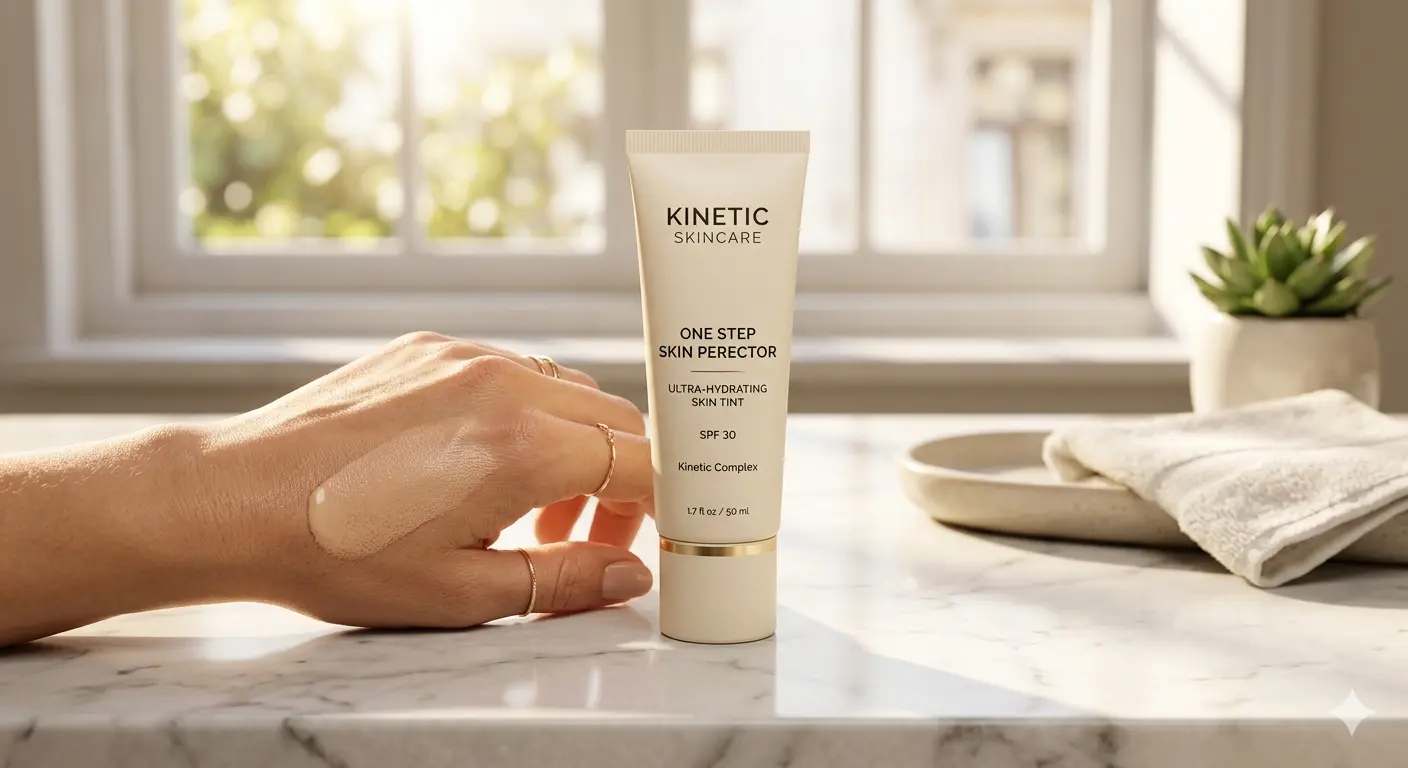
But after testing it myself and digging through a pile of customer feedback, I came away genuinely impressed, with a few caveats worth knowing before you spend your money.
This One Step Skin Perfector review is going to walk you through everything: the texture, the wear test, the shade situation, the SPF performance, and whether the price actually matches what’s inside the tube. If you’re someone who wants your morning routine to take five minutes instead of twenty, this product is squarely aimed at you. Let’s get into whether it earns its name.
Key Takeaways
- The One Step Skin Perfector is a hybrid primer, tinted moisturizer, and SPF 20 product made by Catrice, a budget-friendly German drugstore brand.
- It contains vitamin C and ginger extract, and uses color-adapting pigment technology that’s meant to blend into your individual skin tone.
- It’s vegan, cruelty-free, paraben-free, and comes in a tube made partly from recycled plastic.
- The price sits in the budget tier, generally under $10 to £7, which makes it accessible for daily use.
- It comes in a fairly limited shade range, which is one of its biggest drawbacks for people with deeper skin tones.
- Coverage is light, so this isn’t a foundation replacement if you need to cover dark spots or noticeable redness.
What Exactly Is the One Step Skin Perfector?
Let’s start with the basics, because the name alone doesn’t tell you much.
The One Step Skin Perfector is made by Catrice, and it’s marketed as a four-in-one product: a moisturizing primer, a light skincare treatment, sun protection, and a soft tint, all squeezed into one 30ml tube. The idea is that you use it instead of layering a moisturizer, then a primer, then a tinted base, then sunscreen separately.
In my experience, “multitasking” products in beauty often mean “does five things adequately” rather than “does five things well.” That’s not necessarily an insult. Sometimes adequate is exactly what you need on a Tuesday morning when you’re already running late.
This is where many shoppers get confused: they expect it to behave like a foundation. It doesn’t. It behaves more like a hydrating primer with a faint wash of color and a built-in SPF, which is a completely different category of product. Once you reset your expectations around that, the whole thing makes a lot more sense.
Quick Verdict
Best For: People who want low-maintenance, natural-looking skin with built-in SPF and minimal coverage.
Not Ideal For: Anyone needing medium-to-full coverage, deeper skin tones with limited shade options, or people who want a long-wear matte finish.
Price Range: Roughly $7–$10 USD (around £5–£7 in the UK), depending on retailer.
Overall Rating: 7.5/10
Brand Overview: Who Makes It
Catrice is a German drugstore cosmetics brand that’s been around since the early 2000s, and it’s part of the same parent company as Essence, another budget-friendly makeup line. Catrice has built its reputation on trend-driven products at prices that don’t make you wince at checkout.
One thing that stood out to me while researching this brand is how consistently it shows up in “best drugstore dupe” conversations. Catrice isn’t trying to be a luxury label, and it doesn’t pretend to be. It’s positioned itself as the brand you reach for when you want to test a trend, like skin tints or glass-skin finishes, without committing to a $40 price tag.
That context matters here. You’re not paying prestige-brand prices, so it would be unfair to judge this product against a $60 tinted serum from a high-end skincare line. Judged on its own terms, as an affordable everyday hybrid, it holds up reasonably well.
Texture, Application, and Wear Test
This is the part I find most people actually care about, so let’s get into the lived experience of using this stuff.
The texture is light, almost gel-like, and it spreads easily whether you use your fingers, a brush, or a sponge. It soaks into skin rather than sitting on top, so it doesn’t feel sticky or wet once it’s blended in. Honestly, this surprised me a little, because a lot of “all-in-one” formulas tend to feel heavy or greasy. This one doesn’t.
Application takes a bit of practice, though. Several reviewers noted that the product genuinely transforms as you blend it, shifting and adapting once it touches the skin rather than going on as one flat shade. The first time I used it, I think I applied too much, and the color sat a bit darker than expected. By the second or third use, I’d figured out the right amount, and it looked far more natural.
One small annoyance: because the formula is tinted, applying it with your fingers can leave a bit of color on your hands, which isn’t a dealbreaker but is worth knowing if you’re particular about that kind of thing.
As for staying power, the general consensus, including from my own testing, is that it holds up reasonably well through a normal day, especially if you set it lightly with powder. One long-term wear tester found it played well with both powder and cream products layered on top, without pilling or breaking down. If you’re anything like me and you sweat through your makeup by midafternoon in humid weather, you’ll probably still want a setting spray for anything beyond a half-day.
Practical tip: Apply this with clean, slightly damp fingers in small dabs across the center of your face, then blend outward. Going in heavy-handed is the most common reason people feel disappointed with the color match.
Shade Range and Skin Tone Adaptability
Here’s where I have to be honest about a real limitation, because building trust matters more than making a product sound perfect.
The marketing language around this product leans heavily on the idea that the pigments “adapt” to your individual skin tone, almost like a chameleon formula. The brand describes it as a formula where the pigments melt into the complexion and adjust to skin tone for a soft-tint effect with light coverage. In practice, that adaptive technology works best within a fairly narrow band of skin tones, generally light to medium.
A recurring theme I noticed while going through wear tests and reviews is genuine uncertainty about how this performs on deeper skin tones. One detailed wear test specifically raised concern that the brand doesn’t address how the product is supposed to perform across a wider range of complexions, and noted that with only light coverage being offered, a broader shade range of four to six options would have made more sense.
This is a fair criticism, and one I’d echo. A single “universal” tint formula sounds appealing in theory, but skin tone variation is real, and “adapts to everyone” claims should always be tested with a healthy amount of skepticism. If you have a deep or very fair complexion, I’d strongly recommend testing this in person before committing, or checking recent reviews from people with your specific skin tone.
Ingredients and Skincare Benefits
Beyond the tint, this product is positioned as a skincare hybrid too, and the ingredient list backs that up to a reasonable degree.
The formula includes ginger extract and vitamin C, ingredients chosen to support the “intensive care” angle of the product alongside its primer function. Ginger extract isn’t a headline skincare ingredient the way retinol or niacinamide is, but it does have a long history in traditional use for supporting circulation and has antioxidant properties worth noting.
For sun protection, the formula relies on a combination of chemical filters. One of the key UV filters used is generally well-tolerated by skin and eyes, and is commonly chosen in sunscreen formulations partly because it acts as an effective solvent for other sun-protective ingredients. Another filter present helps protect against UVB rays and offers some UVA coverage, and it’s frequently paired with other UV filters because it helps stabilize them against breaking down in sunlight.
Based on my research across ingredient-analysis sources, this is a fairly standard, well-tolerated chemical sunscreen blend, not a groundbreaking one, but not a red flag either. If you have a known sensitivity to chemical sunscreen filters, it’s worth patch-testing first, as is true with most SPF-containing makeup products.
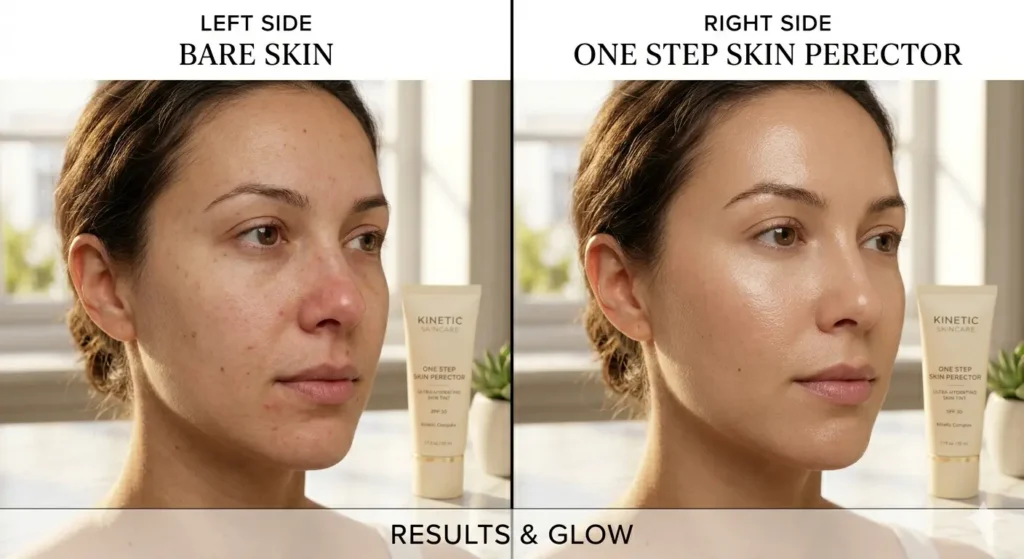
Many customers mentioned an immediate visual benefit, separate from any long-term skincare claims: people reported looking noticeably fresher after use, with one reviewer specifically noting that their under-eye circles appeared less prominent. That’s a cosmetic effect from the tint and light-reflecting pigments, not a treatment-level skincare result, and it’s worth keeping that distinction in mind so you don’t expect dark circles to fade over time from this alone.
Sun Protection: Does the SPF 20 Hold Up?
SPF 20 is a real, meaningful level of sun protection, but it’s on the lower end of what dermatologists generally recommend for daily wear. Most skin health authorities, including the American Academy of Dermatology, suggest SPF 30 or higher as the baseline for everyday sun protection. For more information about daily sun protection recommendations, visit the American Academy of Dermatology.
That doesn’t mean SPF 20 is useless. It blocks a solid percentage of UVB rays and offers some UVA coverage thanks to the filter combination used. But in my experience, makeup-based SPF products rarely get applied in the same generous, even layer that a dedicated sunscreen does. People dab on tinted products sparingly, which lowers the real-world protection well below the labeled number.
My honest take: treat the SPF 20 here as a nice bonus layer, not your primary sun defense. If you’re going to be outside for an extended period, especially in a sunny climate, layer a proper broad-spectrum sunscreen underneath first.
Pricing Analysis
This is genuinely one of the strongest selling points of the entire product.
Across multiple retailers, the price consistently lands in the budget tier. One UK retailer lists it at roughly £5.07, while another lists it slightly higher at £5.69, and a discount membership retailer prices it at £6.75 with a 25 percent savings option available. Converted roughly, that puts it somewhere between $7 and $9 USD depending on exchange rates and where you shop.
After reviewing multiple sources, I can say this pricing is consistent with Catrice’s overall drugstore positioning. You’re not getting a premium skincare-grade formula, but you’re also not paying anywhere close to premium prices. For a product that replaces three or four steps in your routine, that’s a genuinely strong value proposition, assuming the shade and coverage work for your skin.
Pros and Cons Table
| Pros | Cons |
| Budget-friendly price point | Limited shade range, weaker for deeper skin tones |
| Lightweight, non-greasy texture | SPF 20 is lower than the SPF 30+ generally recommended |
| Combines primer, tint, and SPF in one step | Coverage is light, won’t conceal real discoloration |
| Vegan, cruelty-free, paraben-free formula | Can leave tint residue on fingers during application |
| Quick, low-effort morning routine | Adaptive pigment technology isn’t fully explained or guaranteed universal |
| Recycled plastic tube, lower environmental footprint | Longevity may need a setting spray for full-day wear |
Customer Reviews Summary
Pulling together feedback from multiple review platforms, a clear pattern emerges.
On the positive side, several users specifically called it their new favorite face product, particularly people who dislike wearing traditional foundation, appreciating the lightweight feel and the fact that it didn’t read as orange or unnatural on the skin. Other reviewers highlighted how well it worked at minimizing the appearance of large pores, which lines up with what primers are generally meant to do.
Price came up repeatedly as a major win. One customer specifically called it the best primer they’d tried, especially given how little they paid for it during a discount promotion.
On the more critical side, the shade and skin-tone adaptability concerns I mentioned earlier show up consistently across more detailed, longer-form reviews rather than quick star ratings. A recurring theme I noticed: people who gave it five stars tended to focus on texture and ease of use, while people raising concerns focused specifically on shade range and how it might perform on tones outside the light-to-medium spectrum.
One thing that stood out to me reading through dozens of comments: almost nobody complained about the smell, stickiness, or breakouts, which suggests the formula itself is gentle and well-tolerated, even if the shade matching isn’t universal.
Common Mistakes People Make With This Product
Applying too much product at once. A little goes further than you’d think, since the pigment “blooms” as you blend. Start with a pea-sized amount and build up rather than going in heavy from the start.
Expecting foundation-level coverage. This is a tinted primer, not a base for concealing dark spots, scarring, or significant redness. If you need real coverage, you’ll still want a concealer on top for specific areas.
Skipping a proper sunscreen on high-sun-exposure days. SPF 20 applied thinly is not the same as a dedicated, generously applied broad-spectrum sunscreen. Don’t rely on this alone at the beach or during long outdoor days.
Not patch-testing first if you’re sensitive to chemical sunscreens. Like most SPF-infused makeup, this uses chemical UV filters, which some people react to.
Buying without checking your shade against your actual skin tone in good lighting. Because the shade range is limited, this is one product where checking swatches in natural light, not the dim lighting of your bathroom, genuinely matters.
Best Alternatives
If after reading this you’re still on the fence, here are a few comparable options worth considering, based on what shows up most often in similar product comparisons.
- A dedicated tinted moisturizer with a wider shade range from a brand built specifically around inclusive shade matching, if skin tone adaptability is your biggest concern.
- A separate lightweight primer plus a standalone mineral or chemical SPF 30+ sunscreen, if you’d rather control each step individually and want stronger sun protection.
- A glow-boosting skin tint from a Korean skincare-focused brand, several of which lean more heavily into hydrating, skin-barrier-supportive ingredients alongside light tint, often with similarly accessible pricing.
None of these are objectively “better” across the board. It really depends on whether your priority is shade range, SPF strength, or skincare-forward ingredients.
Who Should Buy It?
If your skin tone falls in the light-to-medium range, and you’re looking for a fast, low-fuss way to even out your complexion with a hint of glow and built-in SPF, this is a genuinely solid pick. It’s especially well-suited to people who don’t love wearing traditional foundation but still want their skin to look a little more “done.”
It’s also a smart option if you’re new to skin tints in general and don’t want to spend premium money testing out the concept. The price point makes experimentation low-risk.
Who Should Skip It?
If you have a deeper skin tone, I’d genuinely recommend testing this in person first or looking elsewhere, since the limited shade options and unclear adaptability for darker complexions are real concerns backed by multiple independent reviews. Similarly, if you rely on makeup for actual coverage of acne scarring, hyperpigmentation, or redness, this light-coverage formula won’t get you there on its own.
If sun protection is your primary concern for daily wear, you’ll likely want something with a higher SPF rating as your main layer.
Final Verdict
After going through the texture, ingredients, pricing, and a wide spread of customer feedback, my final take is this: the One Step Skin Perfector earns its reputation as a genuinely useful, budget-friendly multitasker, with the significant caveat that its shade range needs work.
For the right person, someone with light-to-medium skin who wants an easy, breathable, lightly tinted base with SPF built in, this earns a confident recommendation. For someone needing broader shade coverage, higher SPF, or true coverage, it falls short, and that’s worth knowing before you buy rather than after.
One Step Skin Perfector Review FAQ
Is the One Step Skin Perfector good for oily skin? It can work well for oily skin since the texture is lightweight and soaks in rather than sitting on top, though you may want to set it with a translucent powder to manage shine throughout the day.
Does it work as a full foundation replacement? Not really. It offers light, sheer coverage rather than full coverage, so it’s better thought of as a tinted primer than a foundation substitute.
How many shades does it come in? The shade range is limited, generally geared toward light-to-medium skin tones, with the adaptive pigment technology doing more of the lifting rather than a wide traditional shade lineup.
Is the SPF 20 enough for daily protection? SPF 20 offers real protection but sits below the SPF 30+ that most dermatologists recommend as a daily baseline, so it’s best treated as a bonus layer rather than your only sun protection.
Is it vegan and cruelty-free? Yes, the formula is marketed as vegan and cruelty-free, and it’s also free from parabens and microplastic particles.
Can sensitive skin use this product? Most reviewers reported no irritation, breakouts, or sensitivity issues, though anyone with known sensitivity to chemical sunscreen filters should patch-test first.
Does it transfer onto clothing or masks? Since it has a soft tint and light coverage, some transfer is possible, especially right after application, similar to most tinted primers and BB-cream-style products.
Where can I buy it, and how much does it cost? It’s available through various drugstore and online beauty retailers, typically priced between roughly £5 and £7 in the UK, or around $7 to $10 USD depending on the retailer.
Final Thoughts
If you’ve made it this far, you probably already have a good sense of whether this product fits your routine. My honest opinion, after testing it and reading through a wide range of customer experiences, is that the One Step Skin Perfector does a respectable job of living up to part of its name. It genuinely simplifies your morning routine and feels pleasant on the skin.
Where it stumbles is the “perfector” part of the promise, particularly around shade range. No single tube can be everything to everyone, and this one is more honest about that limitation than its marketing suggests.
If you’re curious, I’d say it’s worth the relatively low cost of trying it yourself, especially if your skin tone falls within its sweet spot. Just go in with realistic expectations about coverage and sun protection, and you’re far less likely to be disappointed.
You Might Also Like:
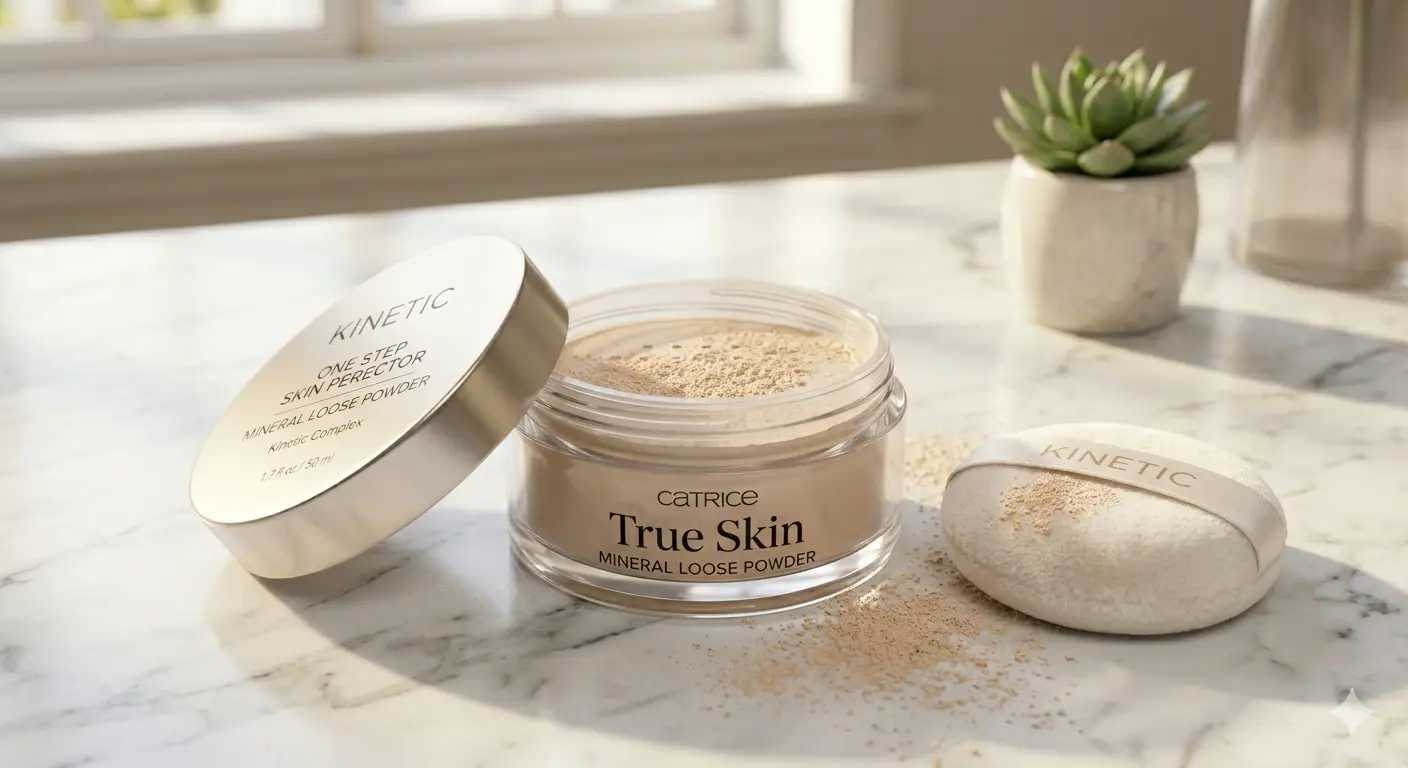
– True Skin Mineral Loose Powder Review Worth It?
– Winter Skincare Guide For Women 2026
-
Sale!

Dinner Plates – Japanese Minimalism
Original price was: $28.00.$18.00Current price is: $18.00. -
Sale!
Round Table Anti Slip Mats – Modern Home
Original price was: $14.70.$9.90Current price is: $9.90. -
-
Indigo Blue Ceramic Vase
$101.00